If–Then Planning: How to Make a Plan You Can Follow
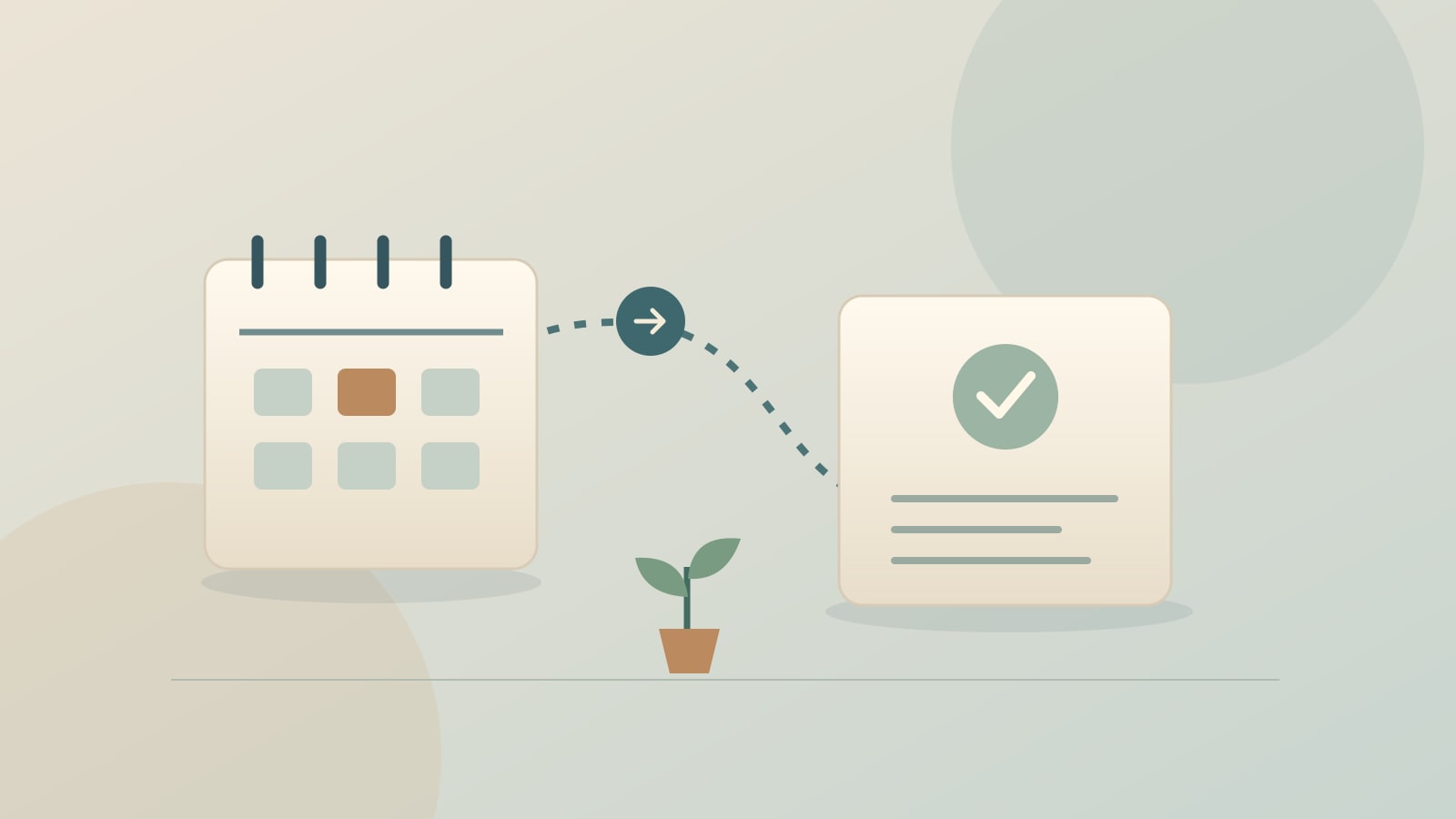
A calendar cue connected to a simple action checklist, illustrating if–then planning

You put a book beside your chair on Sunday. By Thursday, it has become a place to rest your phone. The intention was sincere. What stayed unclear was the moment when reading would actually begin. If–then planning gives a chosen action a recognizable starting point. Instead of leaving yourself to decide again later, you connect … Read more
Why New Habits Get Harder After the First Few Weeks

why_your_brain_resists_change

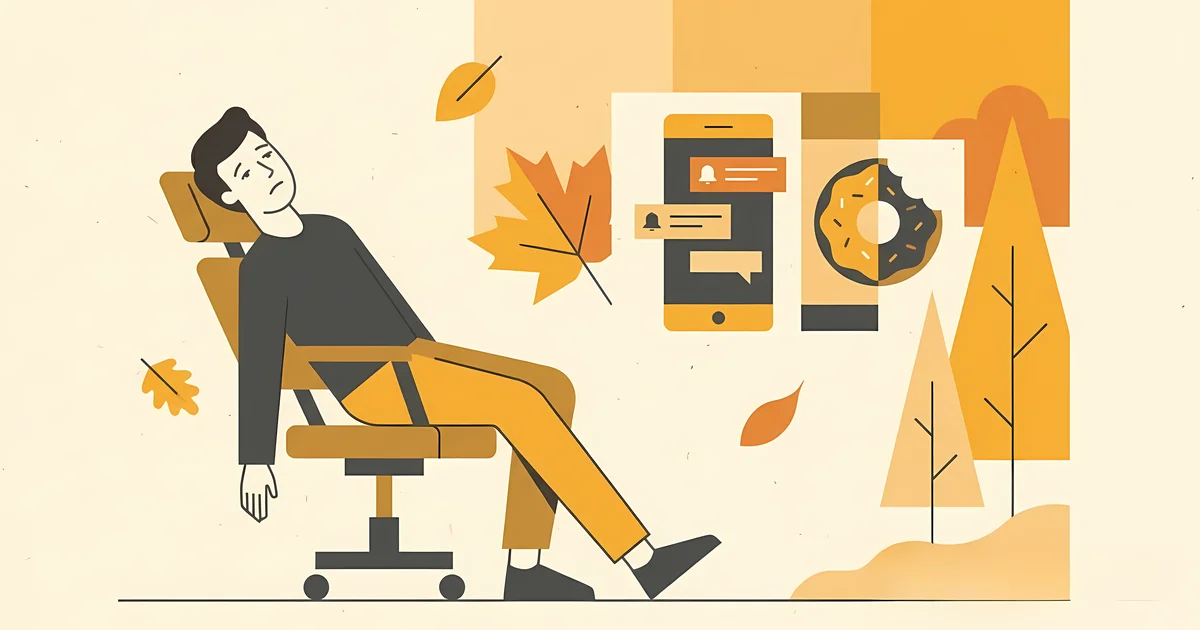
A new routine starts with a clear intention. For a while, the novelty helps you remember it. Then an ordinary busy week arrives, and the plan begins to slip. If your new habits fail after a few weeks, look closely at the action, the cue, and the circumstances in which you are trying to repeat … Read more

Why Pleasure Always Leaves a Crash Behind

how_pain_and_pleasure_share_the_same_brain_scale

The show ends. The game closes. The feed runs out of new things to show. For hours, it was genuinely engaging — easy, entertaining, effortless. And then, almost immediately, something unexpected shows up in the quiet that follows. Not satisfaction. A faint, specific restlessness. A kind of emptiness that wasn’t there before the fun started. … Read more

The Brain Region Behind “I Don’t Want To”

the_science_of_the_anterior_midcingulate_cortex

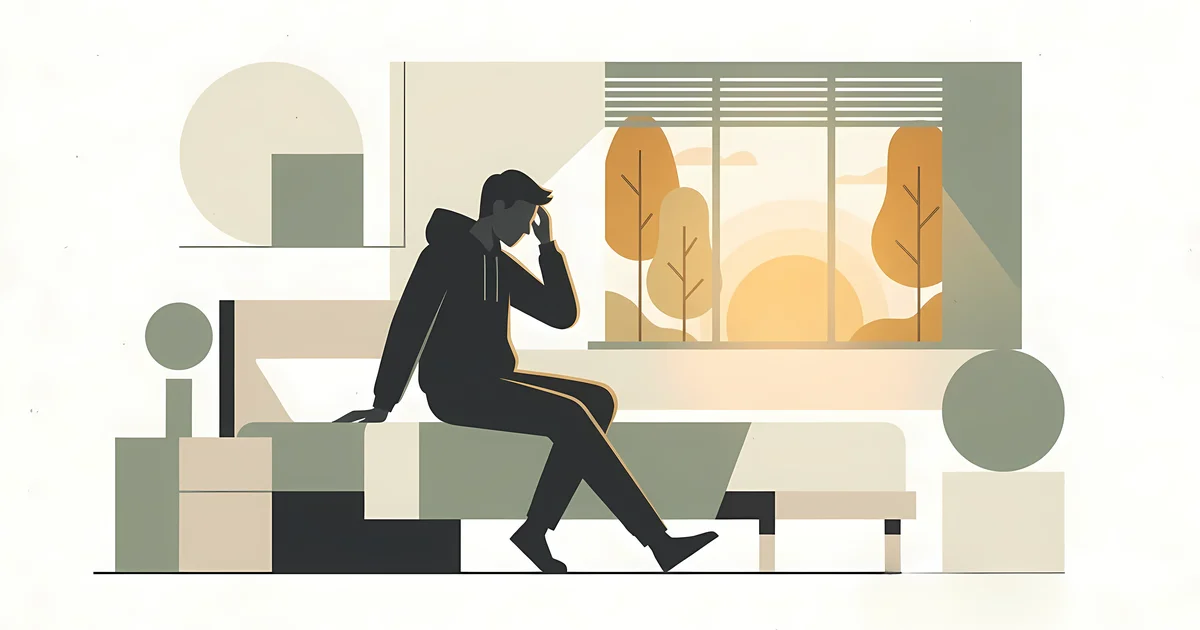
There’s a specific moment that shows up most days. Staring at a screen. Sitting on the edge of the bed. Looking at a task that needs to start. A quiet, heavy voice rises from somewhere underneath conscious thought: I don’t want to. For a long time, that resistance got treated as a moral failing — … Read more

Why You Can’t Say No (And It’s Not Because You’re Kind)

the_silent_danger_of_people_pleasing

A colleague asks you to cover their weekend shift. A friend wants you at a gathering you have no energy for. Before you’ve even checked your calendar, you hear yourself say, “Sure.“ If you’re past 35, you’ve probably said that word thousands of times. It feels generous. It feels like being a good person. But … Read more

Why Your Brain Keeps Choosing Sadness Over Happiness

why_your_brain_loves_sadness

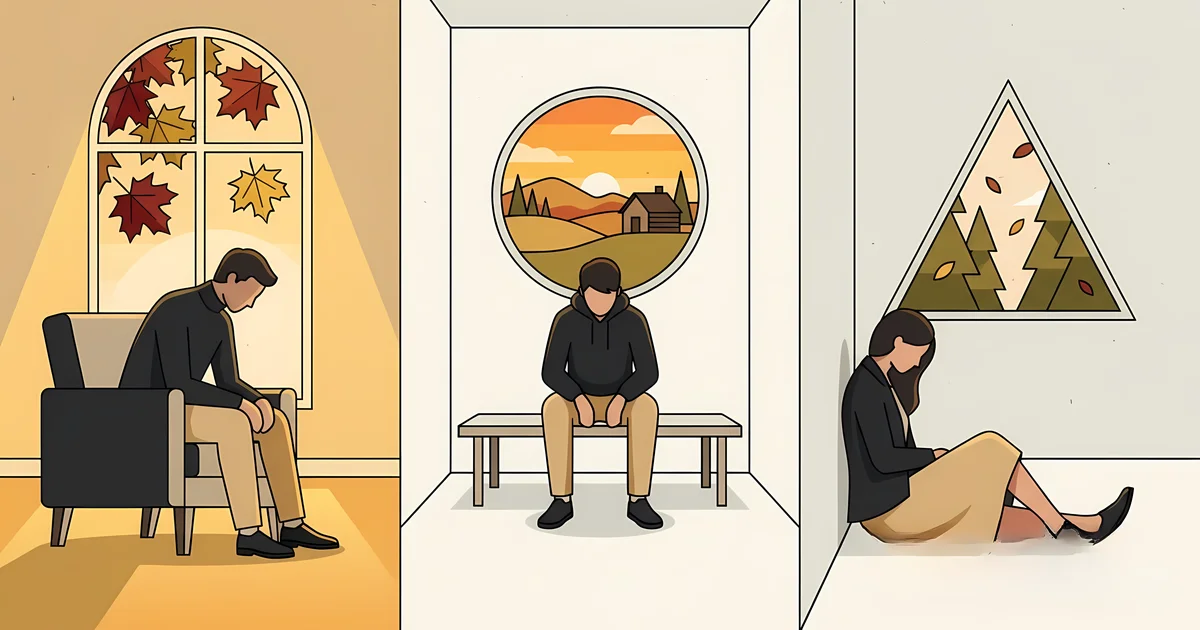
On a low, rainy evening, there’s a strange impulse that sometimes takes over. Instead of reaching for something uplifting, you do the opposite: put on the saddest playlist you own, dim the lights, and sit with it. You tell yourself you’re processing something. Hours later, you’re still there. It’s a common enough pattern that it’s … Read more